
A Guide to Living Off-Grid
Living off-grid has become a buzzword for those seeking independence, sustainability and a deeper connection to nature. Whether you’re motivated by environmental concerns, a desire for self-sufficiency, or the appeal of a simpler lifestyle, off-grid living offers a way to escape the confines of modern utilities and embrace freedom. This guide explores what it means to live off-grid, its benefits, challenges and how to start your journey toward a more sustainable future.
What Is Off-Grid Living?
Living off the grid means disconnecting from public utilities like electricity, water and gas. Instead, off-gridders rely on renewable energy sources like solar panels, wind turbines, and natural water systems. It’s not just about going “back to basics” but about creating a self-sufficient lifestyle that minimizes reliance on external systems.
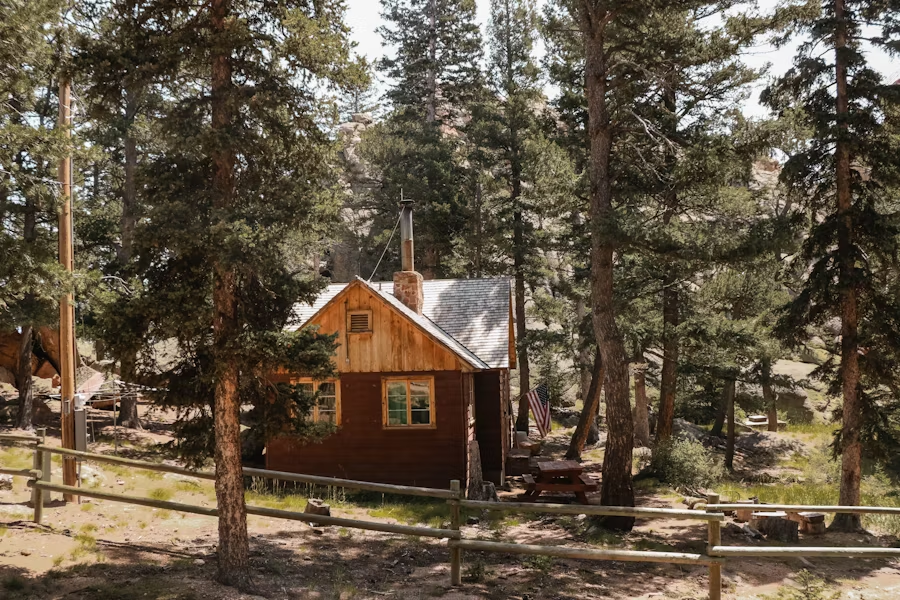
This lifestyle appeals to individuals seeking independence, a reduced carbon footprint, or a closer relationship with nature. From tiny homes in the woods to expansive rural farms.
Benefits of Living Off the Grid
1. Environmental Sustainability
By generating your own power and sourcing water responsibly, you significantly reduce your environmental impact. Solar panels, composting toilets, and water catchment systems make it possible to live harmoniously with nature.
2. Financial Savings
Although the initial setup costs for solar panels and other off-grid infrastructure can be high, the long-term savings are substantial. You’ll no longer pay monthly bills for electricity, water, or gas.
3. Self-Sufficiency
Living off the grid allows you to control your resources. Whether growing your own food or generating electricity, this lifestyle fosters independence and resilience.
4. Peace and Privacy
Off-grid living often means residing in remote areas, away from the hustle and bustle of urban life. This offers tranquility and an escape from constant digital and societal noise.
Challenges of Living Off the Grid
While the rewards are plentiful, off-grid living isn’t without its hurdles:
1. Initial Setup Costs
Building an off-grid home requires an investment in solar panels, batteries, water systems, and possibly land. However, these costs can be offset over time.
2. Learning Curve
Skills like maintaining solar panels, growing food, or managing waste may be new to many. Off-grid living requires adaptability and a willingness to learn.
3. Remote Locations
Many off-grid properties are far from towns and cities, which can make access to medical care, schools, and social opportunities challenging.
4. Legal and Zoning Restrictions
Depending on where you live, local laws and zoning regulations may limit your options. Some areas require homes to connect to public utilities or meet specific building codes.
How to Start Living Off the Grid
1. Plan Your Location
Research areas that are conducive to off-grid living. Look for land with access to natural resources like sunlight, wind, and water. Consider zoning laws and climate conditions.
2. Set Up Renewable Energy Sources
Solar panels are the most popular choice for generating electricity. Wind turbines and hydroelectric systems are also options, depending on your location.
3. Develop a Water System
Water systems can include rainwater collection, wells, or nearby natural water sources. Ensure the water is safe to drink with filters or purifiers.
4. Design a Sustainable Home
Opt for energy-efficient construction materials and consider passive solar heating and cooling. Tiny homes, cabins, and earthships are popular options.
5. Grow Your Own Food
Start a garden to grow fruits, vegetables and herbs. Learn about permaculture and sustainable farming practices to maximize your yields.
6. Waste Management
Use composting toilets, recycle gray water, and create a system for managing trash responsibly.
7. Stay Connected (If Desired)
While living off-grid means reducing dependence on systems, it doesn’t mean cutting off communication. Satellite internet and mobile hotspots can keep you connected.
Is Living Off the Grid Right for You?
Off-grid living isn’t for everyone but for those who value sustainability, independence, and a simpler lifestyle, it can be incredibly rewarding. Start small, perhaps with solar panels or a backyard garden—and gradually work your way toward a more self-sufficient existence.
Conclusion
Living off-grid is a powerful way to reclaim your freedom, reduce your carbon footprint and live in harmony with nature. While it comes with challenges, careful planning and determination can make the transition smooth and rewarding.
Whether you’re dreaming of a tiny home in the woods or a fully self-sustaining homestead, the journey to off-grid living starts with a single step. Embrace the challenge and discover the joys of a more sustainable and independent lifestyle.